Thursday, October 19, 2006

Reduce, reuse, recycle, recover - in this order !!

No comments:
As well as experiencing Bristol's fairly new recycling/composting system with its brown bins...I'm working on a waste management policy at the moment. Actually recycling is far from the top of the list as far as being environmentally friendly is concerned.

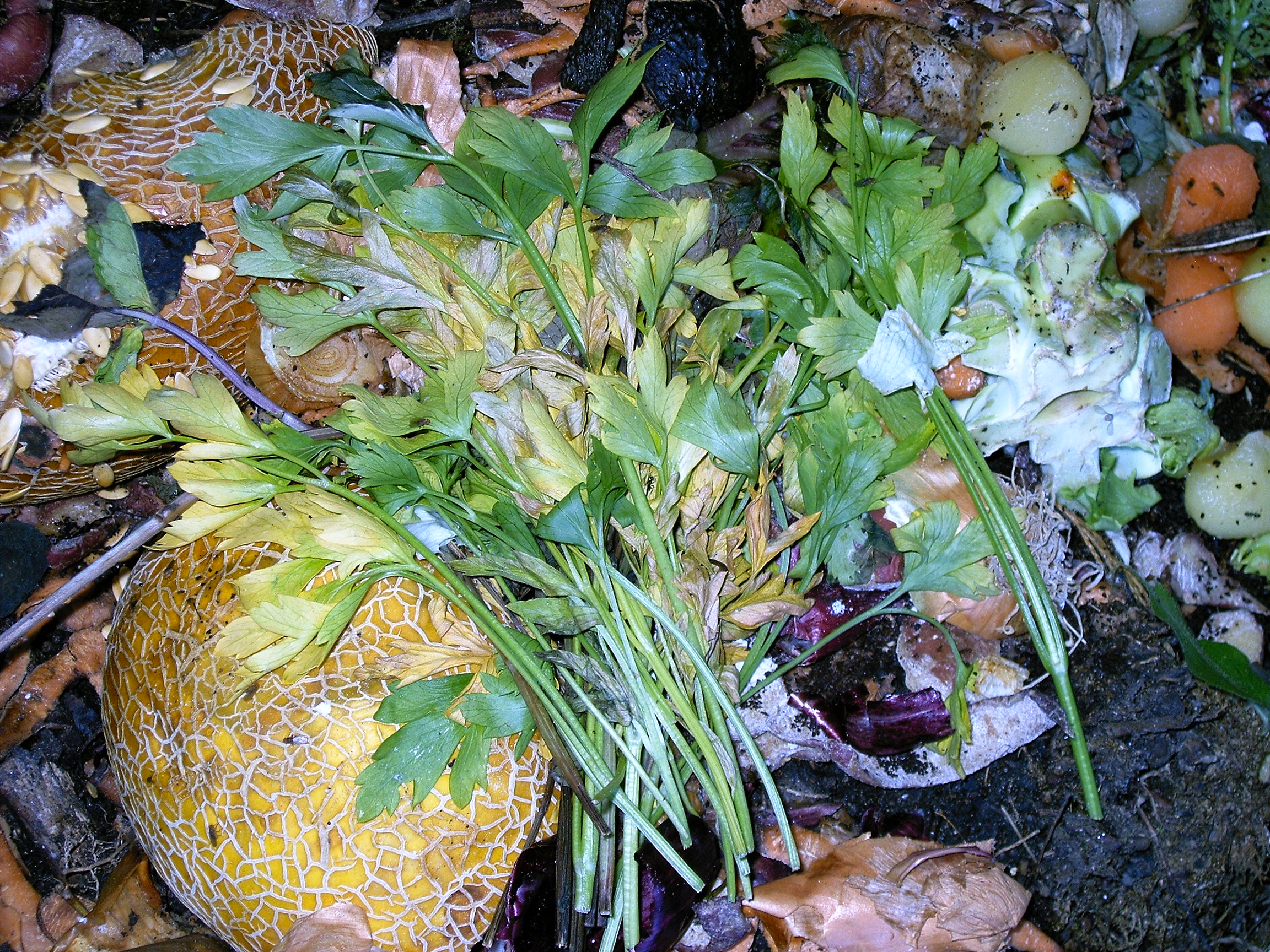
The different options for dealing with waste issues are considered as a waste management hierarchy. The first priority is waste reduction or minimisation. After reduction comes the reuse of objects so that they do not enter the waste stream: for example the refilling of bottles. It is not until one gets down to the third level in the hierarchy that one gets to recovery, which includes materials recycling, composting and the recovery of energy from waste by a whole range of methods (some more environmentally friendly than others). Waste disposal is at the bottom of the hierarchy and includes final disposal to landfill and the incineration of waste without recovering the energy.

Our society is upside down as far as what we do with our waste is concerned because the option we use most is at the bottom of the list of environmental priorities! Thus greens are campaigning hard to emphasise the need for reduction and for reuse as our top priorities. There does of course also need to be a shift to recycling and composting but there are certainly dangers in thinking that these alone are the complete solution to all our waste and environmental problems because they are not - as their position in the waste management hierarchy illustrates.

Without significant reductions in waste we will still have to deal with very large amounts of material in a fuel and money intensive way. For example, currently Bristol sends compostable material all the way to Dorset in large lorries because it has not yet developed a composting facility locally. In one sense moving to more recycling is a relatively 'easy' step to take, despite all the teething problems, inconvenience and costs of new systems. What would really tackle our waste and pollution problems is a very significant shift to producing minimal waste and designing for reuse, repair and long life products. This is a much more difficult step to take in the sense of the scale of change because it ultimately implies restructuring our economy so that instead of being geared to mass consumption it is geared to conserving our real wealth. Thus being green is as much about a new economics as it is about the environment.

Conservatives - truly Green????

No comments:
The Conservatives launched a document about tax policy today and all I've seen about it on the news tells me that they are still the same old party - and they have massively long way to go before they are green to say the least!

Conservative Party leader David Cameron has some real problems with his party. Comments from Conservative Candidate for NE Somerset Jacob Rees-Mogg, who seems to think that people who have been to Oxford or Cambridge have an inherent, natural right to run the country unlike us "potted plants" as he called us, illustrate this perfectly (Bristol Evening Post front page report, 'Which would you rather run the country', October 5th). Mr Moggs education at Eton and Oxford did not give him the sense to stop him putting his foot in it did it!

Cameron's warm words about being green and wanting to tackle climate change for instance are nothing but hot air until he backs them up with a wide range of good, detailed, coherent and consistent policies on the matter. Furthermore, even if David Cameron himself turns out be be genuine in his support for green policies (and that is still a very big if) he has a very, very long way to go before his party genuinely goes with him. My experience of Conservative candidates over twenty years of contesting elections at various levels is that they regard environmental policies as inherently bad for business, an unjustified burden on taxpayers or even some sort of radical left wing, or even worse European Union, conspiracy, instead of the good sense and care for the future that they really are!

Beware of David Cameron's attempts to rebrand his party. It surely takes more than a new oak tree logo, pictures of leaves and blue sky liberally spread around your conference - and a green tie - to make you green! This particular leopard has not changed its spots and so if people want green politics they should look to the real thing - the Green Party itself.

Tuesday, October 17, 2006

Priorities should be health, education and environment!

No comments:
The government just doesn't seem to have its spending priorities right. One day I read about the future of wardens looking after the elderly in sheltered flats across Bristol being threatened by govt funding cuts of up to £9 million (Care Wardens Job Axe Fears, Bristol Evening Post, 10 October). The next day I read about Bristol facing a GP crisis in five years if we continue to train doctors at the same rate (Family Doctors in Crisis, Bristol Evening Post, 11 October) and also the denial of drugs costing as little as £2.50 per day to those suffering from Alzheimar's (How can they deny people this drug?, Bristol Evening Post, 11 October). These are all areas where one would think caring people would prioritise spending, along with education.

Given spending priorities like these I just dont understand why the government has committed itself to spending, not millions, but billions on a replacement for Trident nuclear missiles by saying it will retain Britain's nuclear so-called deterrent. What is more we have always been told that nuclear weapons work because they will never be used (the mutually assured destruction argument)!!

Tony Blair stood outside 10 Downing Street the other day and made a statement rightly criticising North Korea for exploding a test nuclear weapon, saying that they had spent vast sums whilst their people were poor and sometimes starving. Why doesn't he then follow the same logic, get his spending priorities right and direct money to where it is needed, such as the examples I have given or perhaps additional flood defences for Weston-Super-Mare or for investing in a creating a green future for todays young people and their children?

It seems to me a double immorality to spend money on threatening mass destruction with new nuclear weapons and at the same time denying people decent health, education, environmental and social care spending.